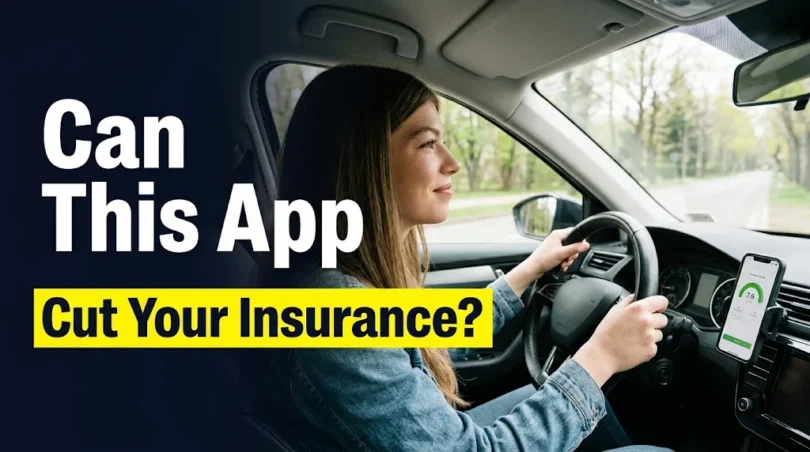

Usage based car insurance, often called telematics, prices your policy partly on how you actually drive. An app on your phone or a small device in your car tracks things like hard braking, fast acceleration, speed, phone use, mileage and time of day. Safe, low mileage drivers can earn meaningful discounts. But some programs can also raise your rate if your driving looks risky, so the right choice depends on your habits and the program’s rules.
These programs have become common, and nearly every major insurer now offers one. Here is how they work, who benefits most and what to watch out for.
How Telematics Programs Work
When you enroll, you either download the insurer’s app or plug a device into your car’s diagnostic port. Some newer cars can share data directly through built in connected services, with your consent. The program monitors your driving for a set period, often several weeks to a few months, and then calculates a discount or a new rate.
What is commonly tracked
- Hard braking: sudden stops suggest following too closely or not paying attention
- Rapid acceleration
- Speeding: compared with posted limits or absolute thresholds
- Phone use: handling your phone while the car is moving
- Time of day: late night driving tends to be riskier
- Mileage: fewer miles means less exposure
- Cornering: sharp turns at speed
Types of Usage Based Programs
| Type | How it works | Best for |
|---|---|---|
| Behavior based discount | Tracks driving habits and offers a discount for safe driving | Careful drivers |
| Discount only programs | Can lower your rate but won’t raise it | Drivers unsure of their score |
| Programs that can raise rates | Safe driving earns a discount; risky driving can increase the price | Very confident safe drivers |
| Pay per mile | Base rate plus a set amount per mile driven | Remote workers and low mileage drivers |
| Teen driver programs | Monitor new drivers and offer feedback and discounts | Families with new drivers |
How Much Can You Save?
Savings vary widely by insurer and driver. Many programs offer a small discount just for signing up, then a larger discount at renewal based on your results. Top performing drivers can sometimes save a substantial share of their premium. Pay per mile insurance can save a lot for people who drive far less than average, such as those who work from home. Drivers who brake hard often, speed or drive late at night may see little or no discount, and in some programs a higher rate.
Who Benefits Most
- Drivers who rarely speed and brake smoothly
- People who drive mostly during the day
- Remote workers, retirees and others with low annual mileage
- Drivers with a past violation who want to prove they drive safely now
- Young drivers who can show safe habits to offset age based pricing
- People who don’t use their phones while driving
Who Might Not Benefit
- Drivers with long highway commutes at high speeds
- Night shift workers who drive late at night
- City drivers in heavy stop and go traffic, which can trigger hard braking alerts
- Rideshare and delivery drivers with high mileage
- Anyone who often uses their phone for navigation or calls while driving
Privacy Considerations
Telematics programs collect detailed data about where and how you drive. Before enrolling, read the privacy policy and ask:
- What data is collected, including location?
- How long is it stored?
- Is it shared with third parties or data brokers?
- Can it be used in claims investigations?
- Can I opt out and delete my data later?
Some carmakers have faced scrutiny for sharing driving data with data brokers and insurers without drivers clearly understanding it. If you drive a connected car, check its settings and your account preferences to see what is being shared, even if you never enrolled in an insurer’s program.
Can Telematics Data Be Used Against You?
Depending on the program and your state, telematics data can sometimes be used to set your rate at renewal, and occasionally to investigate a claim. Many insurers say they use it mainly for pricing and safety feedback. Read the terms to understand whether the program can raise your rate and how claim related data is handled.
Tips to Get the Best Score
- Leave more space so you can brake gently
- Accelerate smoothly from stops
- Stay at or below speed limits
- Put your phone in a mount and avoid touching it while driving
- Reduce late night driving when you can
- Combine errands to cut mileage
- Make sure the app correctly identifies when you are a passenger, not the driver
Pay Per Mile Insurance in Detail
Pay per mile insurance charges a monthly base rate plus a few cents for each mile you drive. Mileage is tracked by a plug in device, your car’s connected services or an app. Most pay per mile programs cap the miles you are charged for in a single day, so a long road trip doesn’t blow up your bill. This model can save a lot for people who drive well under the national average, often cited as roughly 13,000 to 14,000 miles a year. For people who drive a lot, a traditional policy is usually cheaper.
Telematics for Teen Drivers
Many insurers offer programs designed for new drivers. They often include trip summaries for parents, alerts for speeding or late night driving and coaching tips. Some families find these programs reduce risky habits as well as premiums. It helps to talk with your teen about how the data will be used and to focus on improvement rather than punishment. A teen who knows safe driving can lower the family’s bill may be more motivated.
Is the Discount Permanent?
It depends on the program. Some insurers lock in your discount after an initial monitoring period, while others continue monitoring and adjust your discount at each renewal. Some require you to keep the app active to keep the discount. If your habits change, such as starting a long commute or night shifts, your discount may shrink. Ask how the discount is calculated after the first period.
How Insurers Use Telematics Data
Insurers say telematics helps them price policies more accurately by looking at real behavior instead of only demographic factors like age or ZIP code. Safety research has long linked hard braking, speeding and phone use to higher crash risk. For drivers, the biggest benefit is that pricing can reflect choices you control. For insurers, it can attract careful drivers and encourage safer habits across their customers.
Pros and Cons at a Glance
| Pros | Cons |
|---|---|
| Discounts for safe, low mileage drivers | Privacy concerns about location and driving data |
| Pricing based on behavior you control | Some programs can raise rates |
| Feedback that can improve driving habits | City traffic can trigger hard braking events |
| Helps new or previously penalized drivers prove themselves | Late night and long commute drivers may not benefit |
| Pay per mile options for occasional drivers | App permissions and battery use |
Is Telematics Right for Your Household?
Many families find the best approach is mixed. A parent who works from home might enroll, while a spouse with a long highway commute stays on a standard rate. A teen might use a new driver program for coaching and a discount. Ask your insurer whether each driver or vehicle can be enrolled separately, since that lets each person choose what works best for their habits.
Telematics and Accident Claims
Some telematics apps can detect a crash and offer to call for help or start a claim. Data showing your speed and braking before an impact can sometimes help show you weren’t at fault, though it could also show risky driving. If you are in a crash while enrolled, ask your insurer how the data will be used in the claim and request a copy if fault is disputed.
Comparing Programs Between Insurers
Programs differ a lot. One insurer may focus heavily on phone use, another on mileage and time of day. Discounts, monitoring periods and whether rates can rise all vary. When you shop for car insurance, ask each insurer for both its standard quote and its estimated telematics discount, so you can compare realistic prices rather than best case advertising.
Common Problems
- Passenger trips counted as driving: most apps let you mark trips where you weren’t driving, such as buses, taxis or rides with friends
- Phone battery and settings: apps may need location and motion permissions running in the background
- Shared cars: if family members drive your car, their habits may affect your score in device based programs
- Unavoidable hard braking: occasional sudden stops are usually tolerated, but frequent ones lower your score
A Quick Example
Lauren works from home in Raleigh and drives about 5,000 miles a year, mostly daytime errands. She enrolls in her insurer’s telematics program, which gives a small signup discount. After 90 days of smooth driving and no phone use, her renewal discount is substantial. Her husband, who commutes 35 miles each way and often drives home late, tries a different program and earns almost no discount. They decide that only Lauren’s car will stay enrolled.
Questions to Ask Before Enrolling
- Can this program raise my rate, or only lower it?
- How long is the monitoring period?
- What behaviors count most?
- What is the typical discount for good drivers?
- What happens to my data if I leave the program?
- Does the discount continue at future renewals?
What to Do Next
Think honestly about your driving habits, mileage and when you usually drive. If you are a careful, low mileage, daytime driver, ask your insurer about its telematics program, preferably one that only offers discounts. If you drive very little, compare pay per mile insurance too. Read the privacy terms before signing up, then use the app’s feedback to keep improving your score.
Sources
- NAIC: Usage Based Insurance and Telematics
- Insurance Information Institute: Background on Pay as You Drive
- Federal Trade Commission: Connected Cars and Your Data
This article is for general information only and is not insurance, financial or legal advice. Coverage, prices and rules vary by state, insurer and policy. Read your own policy and talk with a licensed insurance agent or professional about your situation.
Frequently Asked Questions
Do telematics programs penalize braking for emergencies?
Occasional sudden stops are usually tolerated. Frequent hard braking is what lowers scores.
Are telematics discounts available in every state?
Most states allow them, but program rules and availability vary by insurer and state.
Can I try telematics without committing?
Many programs let you enroll and leave later. Ask whether leaving early affects your discount or rate.
Does telematics consider who is driving?
Phone apps track the phone’s owner, so mark passenger trips. Device based programs track the car, no matter who drives.
Will a telematics app drain my phone battery?
Apps use location and motion data, which uses some battery. Most are designed to run efficiently in the background.
Does telematics work for every car?
Most programs use a phone app, so they work with almost any car. Device based programs need a compatible diagnostic port.
Can I quit a telematics program?
Usually yes, though you may lose the discount. Check whether leaving affects your rate at renewal.
What is usage based car insurance?
Insurance priced partly on how you drive, using an app or device that tracks habits like braking, speed, phone use and mileage.
Can telematics raise my insurance rate?
Some programs can raise rates for risky driving, while others only offer discounts. Read the program terms.
How much can I save with a driving app?
It varies, but careful, low mileage drivers can often earn meaningful discounts.
Is pay per mile insurance worth it?
It can be for people who drive far less than average, such as remote workers and retirees.
Do telematics apps track my location?
Many do. Check the privacy policy for what is collected, how long it is kept and whether it is shared.
What if I'm a passenger in someone else's car?
Most apps let you mark trips where you weren’t driving so they don’t affect your score.
Are telematics programs good for teen drivers?
They can be, offering feedback to new drivers and potential discounts for safe habits.